ADU Construction in Orange County: Costs, Permits & ROI (2026 Guide)
Accessory Dwelling Units (ADUs) have become one of the most popular home improvement projects in Orange County. Whether used as rental units, guest houses, multigenerational living spaces, or home offices, ADUs offer flexibility and long-term value.
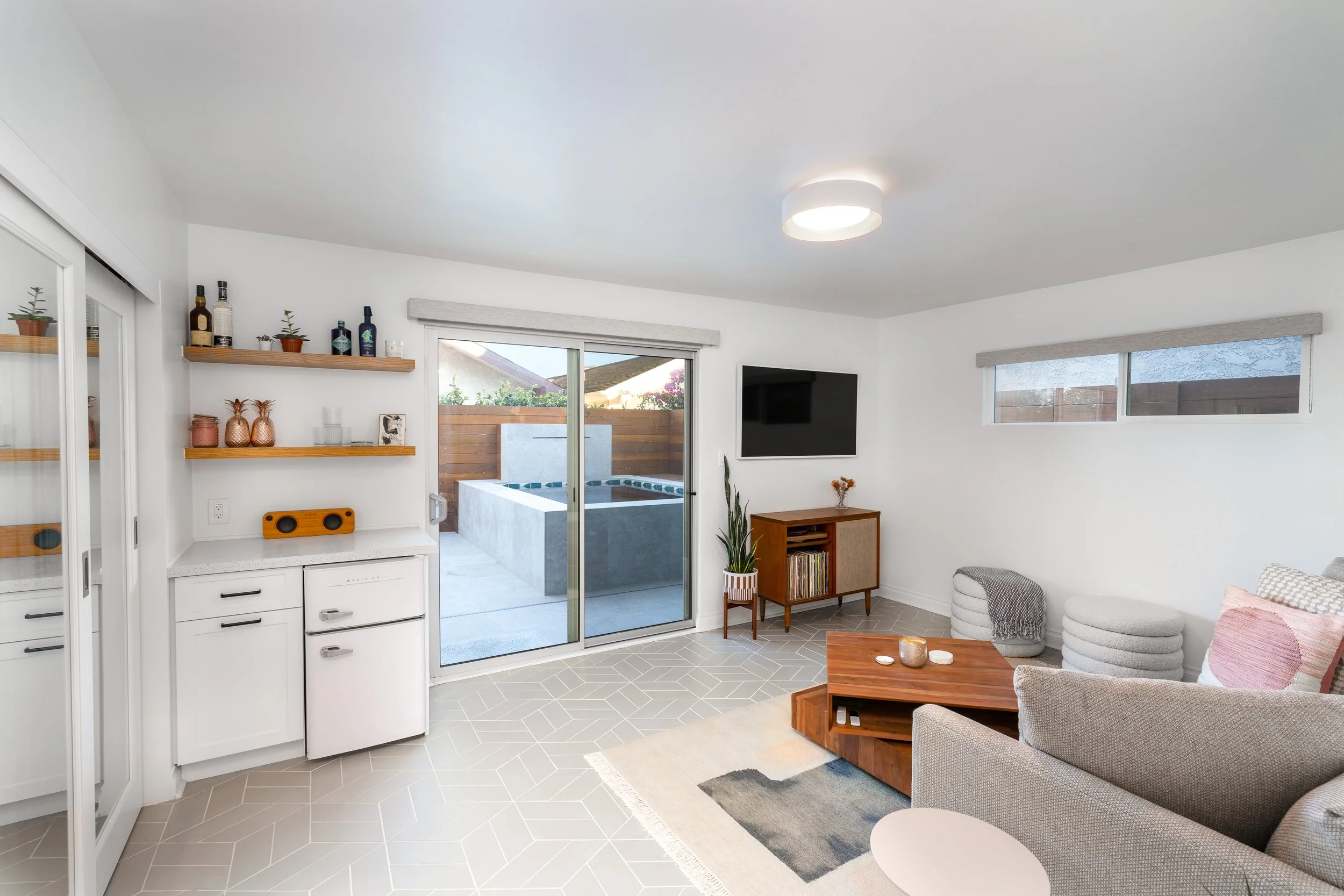
With California housing demand remaining high, many homeowners are exploring ADU construction as a way to increase property value and generate additional income.
This guide explains everything Orange County homeowners need to know about building an ADU including costs, permits, timelines, and potential return on investment.
What Is an ADU?
An ADU (Accessory Dwelling Unit) is a secondary residential unit located on the same property as a primary home. ADUs can be:
Detached backyard units
Attached additions to the main home
Converted garages
Above-garage apartments
Basement conversions
California laws have made ADUs easier to build in recent years, contributing to their rapid growth across Orange County.
ADU Construction Costs in Orange County (2026)
Costs vary depending on size, type, and site conditions.
Typical price ranges:
Garage conversion ADU: $80,000 – $150,000
Attached ADU: $120,000 – $250,000
Detached ADU: $180,000 – $400,000+
Factors affecting cost include:
Site preparation and grading
Utility connections
Structural design
Material selections
Labor complexity
Permit requirements
Larger or luxury ADUs with custom finishes will fall at the higher end.
Permits & Regulations in Orange County
ADU construction requires permits and must comply with state and local regulations.
Key considerations include:
Zoning requirements
Maximum size limits
Parking rules (often waived)
Utility hookups
Fire safety standards
Setback requirements
Because regulations vary by city, working with a contractor experienced in Orange County permitting can significantly streamline the approval process.
Understanding remodeling permits in Orange County is essential for ADU projects, as approval requirements vary by city and property conditions.
Timeline for Building an ADU
ADU projects typically take longer than interior remodels due to planning, permitting, and new construction requirements.
Estimated timelines:
Design & planning: 1–3 months
Permitting: 1–3 months
Construction: 4–8 months
Complex sites or custom designs may extend the schedule.
A realistic home remodeling timeline in Orange County helps homeowners prepare for the planning, permitting, and construction phases of an ADU project.
Potential Return on Investment (ROI)
ADUs can significantly increase property value and provide ongoing income.
Benefits include:
Rental income opportunities
Increased resale value
Housing for family members
Flexibility for future use
In high-demand areas like Orange County, ADUs often pay for themselves over time through rental revenue.
Is an ADU Right for Your Property?
Not every property is equally suited for ADU construction.
Important factors include:
Lot size and layout
Access for construction
Utility capacity
Local zoning rules
HOA restrictions (if applicable)
A site evaluation can determine feasibility and potential design options.
Working With an Experienced ADU Contractor
ADU projects involve more coordination than standard remodels. From design and engineering to permitting and construction, choosing the right team is critical.
Learning how to choose the right remodeling contractor in Orange County is critical for ADU construction, where coordination between design, engineering, and permitting is essential.
Final Thoughts
ADUs offer one of the most versatile and valuable ways to expand living space and increase property value in Orange County. With proper planning, realistic budgeting, and experienced construction guidance, homeowners can create a space that serves their needs today and provides long-term benefits.
If you’re considering building an ADU, understanding the process ahead of time will help you make informed decisions and avoid unnecessary delays.
ADU projects follow the same structured home remodeling and construction process in Orange County, but with additional steps for site work and new utility connections.
