Can You Live in Your Home During a Remodel in Orange County?
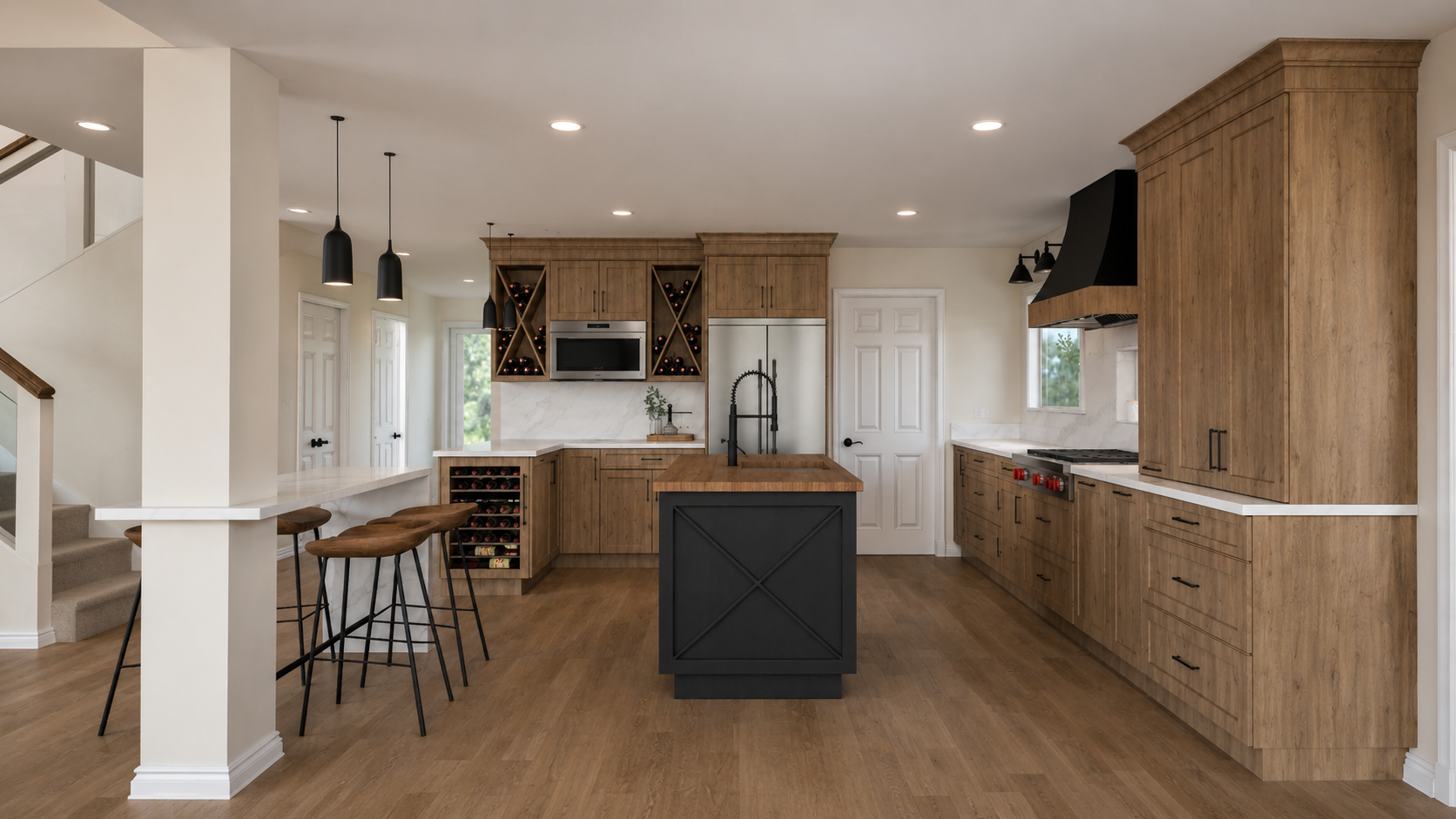
One of the biggest questions homeowners ask before starting a remodel is:
Can we live in the house while construction is happening?
The honest answer is: it depends on the type of remodel, the areas being worked on, your family’s routine, and how much disruption you are comfortable with.
Some projects are manageable while living at home. Others are much smoother if you temporarily move out. Understanding the difference before construction starts can help you plan better, reduce stress, and avoid surprises during the remodel.
This guide explains when it may be realistic to stay in your home during a remodel, when it may be better to relocate, and what Orange County homeowners should consider before making that decision.
The Short Answer: Sometimes Yes, Sometimes No
Living at home during construction may be possible for smaller or isolated projects, such as:
guest bathroom remodels
flooring in limited areas
exterior work
smaller cosmetic updates
single-room renovations
However, it becomes more difficult when the remodel affects essential spaces like:
the kitchen
primary bathroom
multiple bathrooms
bedrooms
the main living area
electrical systems
plumbing systems
most of the home
The more areas involved, the harder it becomes to live comfortably in the home during construction.
When Staying in the Home May Work
Staying in the home may be reasonable if the remodel is limited to one area and the rest of the home remains functional.
For example, if you are remodeling a guest bathroom and still have another bathroom available, staying home may be manageable.
It may also work if:
the work area can be sealed off
you have access to a working bathroom
you have a functional kitchen or temporary setup
there are no major utility shutdowns
you are comfortable with daytime noise
kids and pets can stay away from the work area
The key is separation. If the construction zone can be clearly separated from your living space, staying home becomes much easier.
When Moving Out Is Usually Better
Temporary relocation is often the better option for larger projects.
You may want to move out if your remodel includes:
a full kitchen remodel
multiple bathrooms at once
whole-home remodeling
major flooring throughout the home
structural changes
large-scale demolition
electrical panel upgrades
plumbing shutdowns
additions that affect the main living area
For these projects, staying in the home can slow down construction and make daily life much more stressful.
For larger projects like whole-home remodeling in Orange County, temporary relocation is often the most comfortable and efficient option.
Kitchen Remodels Are Especially Disruptive
Kitchen remodels are one of the most difficult projects to live through because the kitchen affects daily routines.
During construction, homeowners may lose access to:
the sink
stove
oven
dishwasher
countertops
cabinets
pantry space
normal food prep areas
Some homeowners create a temporary kitchen in another room using a microwave, coffee maker, mini fridge, and portable table. This can work for short periods, but it becomes tiring over time.
If your kitchen remodel is extensive, it may be worth considering temporary housing or planning around a simpler meal routine during construction.
Bathroom Remodels Depend on How Many Bathrooms You Have
Bathroom remodels can be manageable if the home has another fully functioning bathroom.
However, if the remodel affects your only bathroom or multiple bathrooms at once, staying in the home can become extremely inconvenient.
Before construction begins, homeowners should ask:
Will at least one toilet remain usable?
Will at least one shower remain available?
Will plumbing be shut off for extended periods?
How long will the bathroom be out of service?
A good contractor should help you understand what access you will have during each phase of work.
Dust, Noise, and Daily Disruption
Even with protection in place, remodeling creates disruption.
Homeowners should expect some level of:
noise
dust
foot traffic
material deliveries
temporary mess
limited room access
parking disruption
schedule adjustments
Professional contractors use dust protection, floor coverings, and work area separation, but construction is still construction.
This is especially important if someone works from home, has young children, has pets, or needs a quiet environment during the day.
Kids and Pets Need Extra Planning
If children or pets live in the home, safety becomes a major factor.
Construction areas may include:
tools
exposed materials
open walls
sharp objects
dust
electrical work
noise
workers moving in and out
Pets may also become stressed by unfamiliar people, loud sounds, and open doors.
If you plan to stay home during construction, it is important to create safe zones away from the work area and communicate with your contractor about access points and daily schedules.
How Contractors Help Make Living at Home Easier
A well-organized contractor can make a remodel more manageable for homeowners who stay in the home.
This may include:
setting clear work hours
protecting flooring
sealing off work zones
managing dust control
communicating utility shutoffs
keeping pathways safe
cleaning the work area regularly
giving advance notice of disruptive work
The goal is not to make construction invisible. The goal is to make the process as organized and respectful as possible.
Knowing how to choose the right remodeling contractor in Orange County helps homeowners find a team that communicates clearly and respects the home during construction.
Planning Around Utility Shutoffs
Some remodels require temporary shutoffs for:
water
electricity
gas
HVAC
drainage
These shutoffs may be brief, or they may happen multiple times depending on the project.
Before construction begins, homeowners should ask:
Will water be shut off?
Will power be affected?
How much notice will be given?
Will shutoffs happen during working hours only?
Will any areas be unusable overnight?
Knowing this ahead of time helps homeowners plan around daily needs.
Living at Home May Slow the Project Down
In some cases, staying in the home can affect the construction schedule.
Contractors may need to work around:
occupied rooms
pets
children
furniture
limited access
noise restrictions
homeowner routines
This does not mean you cannot stay. It simply means expectations should be realistic.
For larger projects, moving out can sometimes help the contractor work more efficiently and complete the project faster.
Reviewing the typical home remodeling timeline in Orange County helps homeowners understand how project size and access can affect scheduling.
Questions to Ask Before Deciding
Before deciding whether to stay or move out, ask your contractor:
Which areas will be unusable?
Will we have access to a bathroom?
Will we have access to a kitchen?
Will water, gas, or power be shut off?
How dusty or noisy will the work be?
Can the work area be sealed off?
Will furniture need to be moved?
How long will demolition take?
Are there phases where staying home is not recommended?
These questions can help you make a practical decision before construction begins.
Reviewing the right questions to ask a remodeling contractor in Orange County can help homeowners prepare for the realities of living through construction.
How to Prepare If You Stay in the Home
If you decide to stay home during the remodel, preparation matters.
Helpful steps include:
create a temporary kitchen if needed
move valuables out of construction areas
protect furniture and personal items
set up a clean living zone
plan for pets and children
discuss parking and access
prepare for noise during work hours
keep important daily items away from the work zone
The more organized the home is before construction begins, the smoother the experience will be.
Understanding what to decide before you remodel in Orange County can help homeowners prepare for daily life during construction.
Final Thoughts
Living in your home during a remodel is possible for some projects, but it is not always the best choice.
Smaller, isolated remodels may be manageable with good planning and communication. Larger projects, such as kitchen remodels, whole-home renovations, additions, or projects involving multiple bathrooms, may be much easier if you temporarily relocate.
The best decision depends on your project scope, your household needs, and your tolerance for disruption.
Before construction begins, talk honestly with your contractor about access, dust, noise, utilities, and timeline expectations. A clear plan can help make the remodeling process smoother whether you stay in the home or move out temporarily.
