Home Additions in Orange County: Costs, Permits & What to Expect (2026 Guide)
As Orange County home prices continue to rise, many homeowners are choosing to expand their current homes instead of moving. A well-planned home addition allows you to increase square footage, improve functionality, and significantly boost property value — all while staying in a location you already love.
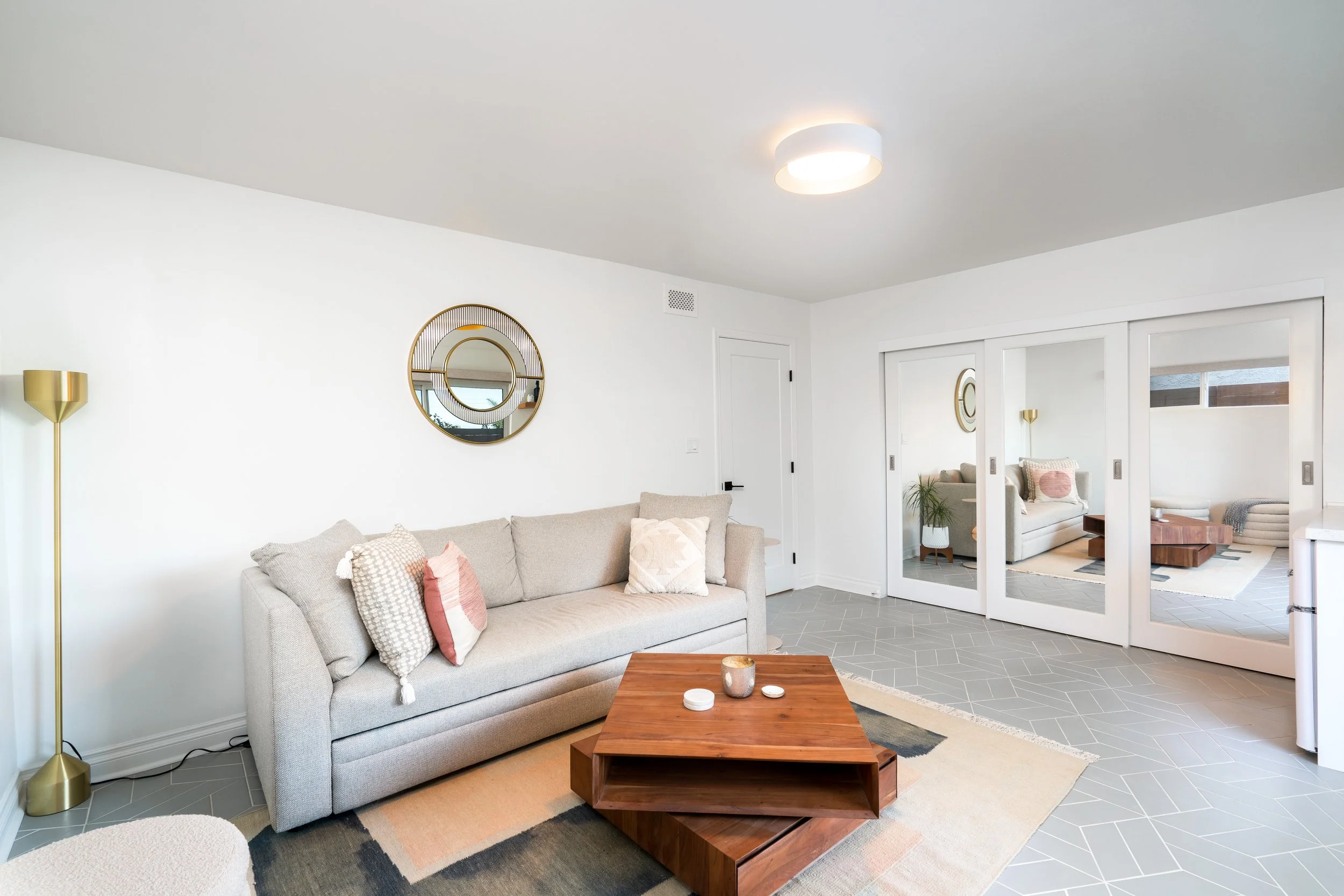
Whether you’re adding a new bedroom, expanding your kitchen, building a second story, or creating a larger living space, home additions offer long-term flexibility and investment potential.
This guide explains everything Orange County homeowners need to know about home additions, including costs, permits, timelines, and what to expect throughout the process.
What is a Home Addition?
A home addition involves expanding your existing structure to create additional living space.
Common types of additions include:
room additions (bedrooms, offices, guest rooms)
kitchen expansions
second-story additions
master suite additions
garage conversions
living room extensions
Each type of addition varies in complexity, cost, and timeline.
Home Addition Costs in Orange County (2026)
Costs vary based on size, design, and structural requirements.
Typical cost ranges:
Small room addition: $80,000 – $150,000
Mid-size addition: $150,000 – $300,000
Large / second-story addition: $300,000 – $600,000+
Factors that influence cost include:
foundation work
structural framing
roofing integration
plumbing and electrical systems
material selection
permitting and engineering
Larger additions or structural expansions typically fall on the higher end.
Many homeowners compare additions with whole-home remodeling in Orange County to determine the best way to improve space and functionality.
Permits & Coastal Considerations
Home additions almost always require permits and engineering approval.
This may include:
structural plans
foundation inspections
electrical and plumbing permits
city approvals
zoning compliance
Understanding remodeling permits in Orange County is essential before beginning any structural home addition project.
Timeline for a Home Addition
Because additions involve new construction, timelines are longer than interior remodels.
Typical timeline:
design & planning: 1–3 months
permitting: 1–3 months
construction: 4–8 months
Larger or more complex projects may take longer.
A realistic home remodeling timeline in Orange County helps homeowners plan for each phase of a home addition project.
Addition vs. ADU: What’s the Difference?
Many homeowners consider both options.
Home addition: expands the main house
ADU: creates a separate living unit
Each has different benefits depending on your goals.
Some homeowners also explore ADU construction in Orange County as an alternative way to add living space or rental income.
Living at Home During Construction
Depending on the size of the addition, homeowners may be able to stay in the home. However, larger projects can involve:
noise and dust
limited access to certain areas
temporary disruptions
Planning ahead helps minimize inconvenience.
Choosing the Right Contractor
Home additions require coordination between multiple trades and structural elements.
Learning how to choose the right remodeling contractor in Orange County is critical for ensuring a smooth and successful addition project.
ROI & Long-Term Value
Home additions can significantly increase both property value and functionality.
Benefits include:
increased square footage
improved livability
higher resale value
flexibility for future needs
In Orange County, expanding your home is often more cost-effective than relocating.
Final Thoughts
Home additions offer one of the most effective ways to improve your home’s layout, increase usable space, and enhance long-term value. With proper planning, realistic budgeting, and experienced construction guidance, homeowners can successfully expand their living space without the need to move.
Understanding the process ahead of time helps ensure a smoother project and better overall results.
